BLOG
A New Era in Industrial Robot Hands: Tactile Sensing and Precision Manipulation
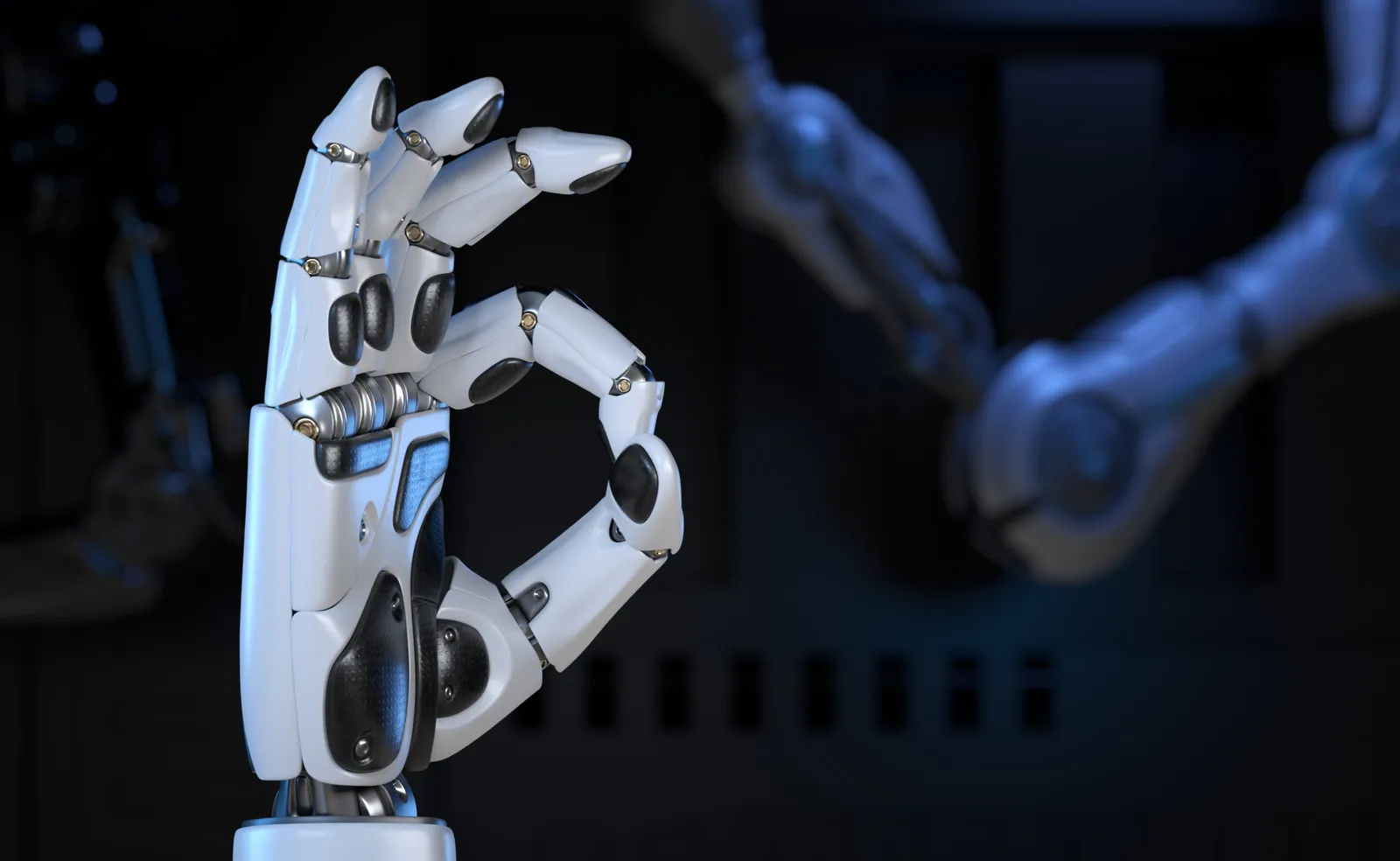
We are entering a new production era where robots make decisions not only by seeing but also by feeling through touch. Tactile robot hands are turning Industry 5.0's human-centric automation vision into reality.
Precision Is No Longer Measured by Vision Alone
For years, the focus in industrial automation has been on enabling robots to perceive their environment accurately and move without errors. Camera systems, 3D vision and AI-powered analyses have made great advances in this field. However, one missing piece remained for robots to truly replace the human hand: the sense of touch.
In recent years, tactile robot hands have been developed to close this gap, adding a new dimension to robotic manipulation. Robots can now not only see an object's position but also sense gripping force, contact direction, surface hardness and slip risk.
Multi-Modal Tactile Sensing Technology
Pressure sensors used in next-generation robot hands map contact points like hundreds of pixels, defining an object's structure in detail.
With this technology, a robot hand can instantly evaluate whether it is squeezing a component, whether a tube is slipping, and whether a surface is rough or smooth.
As a result, error rates in precision assembly, electronics manufacturing, laboratory environments and medical device production are significantly reduced. Robots are now tasked not just with holding objects, but with gripping them in a controlled manner.
New Solutions for Sectors Requiring Fine Craftsmanship
The areas where tactile robot hands excel are continuously expanding.
For example:
- Positioning small components in electronics manufacturing
- Safely transporting glass tubes in laboratory automation
- Gripping precision components in medical device assembly
- Distinguishing surface differences in packaging and quality control processes
In these scenarios, the robot hand provides human-like intuitiveness, both accelerating and enhancing the reliability of processes.
The Cornerstone of Industry 5.0: Human-Robot Collaboration
Industry 5.0 does not aim for fully unmanned production. On the contrary, it adopts a production model that combines human creativity with robotic precision.
Tactile robot hands are the first concrete step of this philosophy. When the intuitive touch of the human hand merges with the repeatability of robots, a new balance is established on production lines.
This technology also provides significant safety advantages. Thanks to gripping force feedback, robot hands can prevent dangerous pinch situations while working in the same area as operators.
Conclusion: Robots That Can Touch Will Set New Manufacturing Standards
The future of industrial automation will feature not only faster robots, but more precise and more aware systems.
Tactile robot hands bring human-like control capabilities to manufacturing processes, establishing a new quality standard particularly in sectors requiring high precision.